


How to Hire a Live Band for Your Wedding in 2026: The Complete City-by-City Guide
Your wedding reception lives or dies on the energy in the room. Food gets eaten, flowers get photographed, and dresses get admired — but the thing guests remember ten years later is how the night felt. A live wedding band is the single most powerful factor in shaping that feeling. The right band transforms a beautiful event into an unforgettable one. The wrong call, or no live music at all, and even the most stunning venue can feel flat.
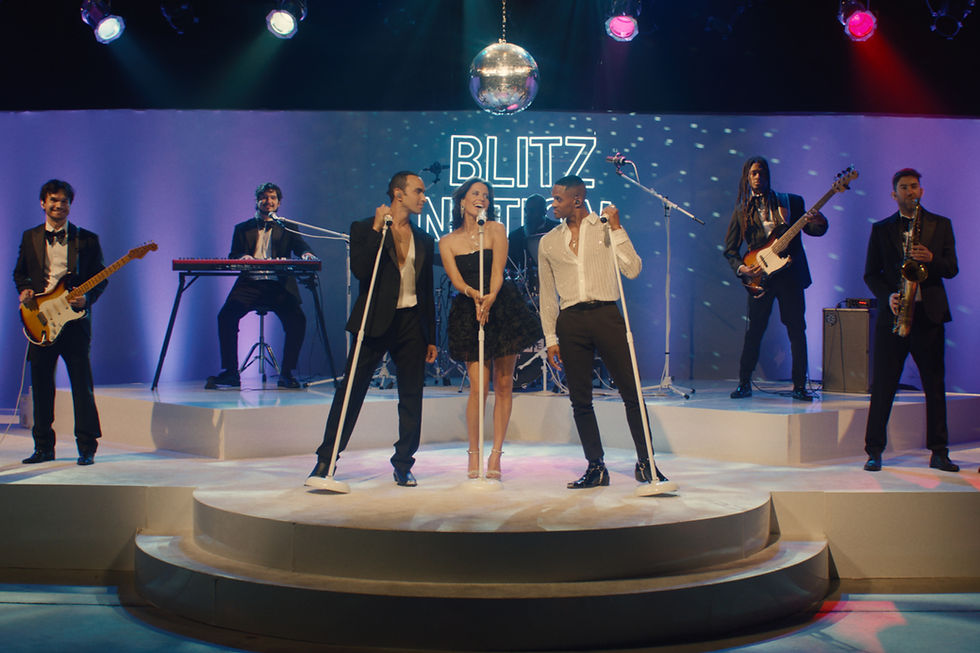
But hiring a live band for your wedding is more complicated than it looks. The options are vast, the quality varies enormously, and the stakes are too high to figure it out as you go. What works for a 300-person ballroom wedding in Los Angeles is different from what works for an intimate vineyard celebration in the Bay Area — and both are different from what couples need in Nashville or Miami. Market, venue, guest count, music taste, and event timeline all shape the right decision.
This guide covers everything: how to find and evaluate bands, what to ask before you book, how band size and format should match your venue and guest list, and exactly what to expect in each of the four markets where Blitz Nation books live wedding entertainment — Los Angeles, San Francisco, Nashville, and Miami. By the end, you will know exactly how to hire a live wedding band with confidence.
Table of Contents
1. Why a Live Band Makes the Difference at Your Wedding
There is a reason that couples who hire live bands for their weddings almost universally say it was one of the best decisions they made. It is not nostalgia or sentimentality — it is the mechanics of how live music works in a social setting, and those mechanics are fundamentally different from anything recorded music can produce.
A live band responds to the room. When the dance floor fills and the energy climbs, a skilled band reads that and builds on it — extending a groove, bringing in the horns, lifting the tempo in ways that feel organic and earned. When the room needs warming during cocktail hour, live musicians create the social permission that makes guests put down their phones and actually talk to each other. Recorded music, no matter how well curated, cannot do this. It plays the same regardless of what the room is doing.
Live music also commands attention in a way that changes how guests experience the entire evening. The moments that become the stories couples tell for years — the surprise first dance, the parents joining the floor, the entire wedding party losing it to a perfectly timed song — happen because a live band understood the room and made a choice in real time. That responsiveness is irreplaceable.
From a practical standpoint, live entertainment also signals to guests that the event was thoughtfully planned and worth their time. For destination weddings, multi-day celebrations, and events where guests have traveled significant distances, the presence of a genuine live performance tells them their investment was valued.
The wedding entertainment landscape has also evolved. The most sought-after format today is not a band alone or a DJ alone — it is the hybrid: a live band paired with a professional DJ who manages transitions, covers breaks, and builds the floor between sets. More on that later. For couples starting to explore options, Blitz Nation's wedding entertainment roster covers the full range of formats across all four markets.
2. Types of Live Wedding Bands: Matching the Format to Your Vision
Not every wedding calls for the same musical format. The first decision is understanding which type of live band matches your vision, your venue, and your guest list. Here is how to think about each option.
Full Party Bands (8–14 Musicians)
A full party band is the gold standard for large-scale wedding receptions where dancing is the primary goal. Multiple vocalists, a horn section, a full rhythm section, and the musical range to cover everything from Motown and classic rock to current Top 40 and R&B without losing the floor. Acts like Viva Band bring a concert-quality experience to weddings of 150 guests or more, delivering the kind of peak-energy moments that define legendary wedding receptions. Full bands require adequate stage space and dedicated power — confirm your venue's technical capacity before finalizing.
Mid-Size Bands (5–7 Musicians)
The most versatile wedding entertainment option. A strong 5–7 piece band delivers everything — cocktail ambiance, dinner music, first dances, and full dance floor sets — with a smaller footprint and a wider range of venue compatibility than a full ensemble. For weddings of 80–200 guests in hotel ballrooms, vineyard event spaces, rooftop venues, or beach clubs, a mid-size band is the configuration that most consistently delivers exceptional results.
Jazz Trios and Quartets
For couples prioritizing sophistication over dance energy, jazz and swing acts are the definitive choice for cocktail hours, intimate receptions, and ceremonies. The best jazz ensembles set a tone of effortless elegance — guests can hear the music, appreciate it, and still hold a conversation. Jazz trios also work beautifully as the first act in a two-part evening: sophisticated background music during dinner, followed by a full band or DJ set for dancing.
Roaming Bands
One of the most talked-about formats in wedding entertainment. Rather than anchoring to a stage, roaming acts move through your event space — performing tableside, weaving through cocktail hour guests, and creating spontaneous musical moments that become the highlight of the evening. Particularly effective for outdoor weddings, multi-room venues, and any couple who wants live entertainment that feels personal rather than performative.
Acoustic and String Acts
For wedding ceremonies, intimate dinners, and events in acoustically sensitive spaces, string acts and acoustic soloists provide live presence without volume constraints. A string quartet during the ceremony processional, a solo guitarist during cocktail hour — these moments carry emotional weight that recorded music cannot match, and they set the tone for everything that follows.
Cultural and Specialist Acts
For weddings that want to celebrate cultural heritage, match a specific theme, or create an experience that no generic band can deliver, specialist musicians and cultural acts bring authenticity that transforms a wedding into something deeply personal. From Bollywood bands and mariachi groups to gospel choirs and Latin ensembles, the right specialist act tells guests exactly who you are as a couple — and gives them something to talk about long after the night ends.

3. How to Determine the Right Band Size for Your Wedding
Band size is one of the most consequential and least discussed decisions in wedding entertainment planning. Getting it wrong in either direction creates problems — a band too large for the space overwhelms guests, and the venue; a band too small for the crowd fails to fill the room with energy.
The core variables are guest count, venue size, and dance floor ambition. As a general guide, for weddings under 80 guests in intimate spaces, duo acts or a three-piece band strike the right balance of live presence and appropriate scale. For 80–150 guests in mid-size venues, a 5–7 piece band is the optimal configuration. For 150+ guests in large ballrooms or outdoor settings with major production, a full party band of 8 or more musicians delivers the experience these events demand.
Venue acoustics also matter significantly. A band that fills a 200-person ballroom beautifully may overwhelm a 100-person garden reception even at lower volumes. Share your venue's dimensions and layout with your entertainment agency early and let them guide band configuration based on the physical space, not just the guest count.
Budget is obviously a factor, but size decisions should be made on event fit first. A well-matched 5-piece band will outperform a 10-piece band that is too large for the venue or too much for the guest count. The goal is the right match, not the most impressive number on paper.
Uncertain about what size is right for your specific venue and guest count? The team at Blitz Nation can give you a specific recommendation based on your event details — no obligation.
4. What to Look for When Evaluating a Wedding Band
The difference between a good wedding band and a great one is not always obvious from a website or a promo reel. Here is what actually matters when you are evaluating your options.
Live Performance Video — Not Studio Recordings
The most important thing you can watch is a band performing live at an actual wedding or event — not a polished studio recording, not a highlight reel with music added in post. You want to see how they manage a room, how they transition between songs, how the vocalists sound in a real acoustic environment, and how they interact with the crowd. That is the version of the band you are hiring.
Vocal Quality and Range
The vocalists are everything. A wedding band's ability to cover the range of music couples typically request — Stevie Wonder, Whitney Houston, Bruno Mars, current pop — depends entirely on vocal quality. Listen critically. Can the lead vocalist actually hit the notes? Is the phrasing genuine, or is it a competent approximation? Strong vocalists elevate every other element of the band; weak ones expose it.
Song Selection and Repertoire Range
A strong wedding band can move fluently across genres and decades without the room noticing the transitions. Look for acts that cover a genuine range — not just a decade-by-decade checklist, but evidence that the musicians actually inhabit different styles. A band that plays Motown and 90s R&B with the same authenticity it brings to current pop is a rare and valuable thing.
Professionalism and Communication
How an agency communicates before the booking is a reliable predictor of how they will perform on the day. Do they respond quickly? Are their proposals specific and detailed? Are they asking the right questions about your venue, your timeline, and your vision? A professional agency treats your wedding as a unique event requiring individual planning — not a plug-and-play booking.
References and Testimonials
Ask for and actually contact references. Read testimonials with specific details — not generic praise, but accounts of actual moments. Browse the full entertainment roster and look for performers with documented wedding experience at venues and formats comparable to yours.
5. The Questions Every Couple Should Ask Before Booking
Before you sign anything, make sure you have clear answers to these questions. A professional entertainment agency will answer all of them readily and specifically.
Who exactly will be performing at my wedding? What is the substitution policy if a listed performer becomes unavailable?
What is included in the quoted price? Is the sound system included? A sound engineer? Wireless microphones for the ceremony and toasts?
How long have these specific musicians performed together? Is this a regular ensemble or a rotating cast of session players?
Do you have experience performing at my specific venue, or at venues with similar acoustic profiles?
Can you accommodate our ceremony, cocktail hour, and reception? What is the timeline for each, and how do you handle transitions?
What is your protocol for the first dance, parent dances, and other formal moments?
How do you handle song requests? Are there songs on your set list that are non-negotiable, or is the repertoire fully customizable?
What is your cancellation policy? What happens if weather, illness, or an emergency affects the performance?
Do you carry event liability insurance? What does your contract cover?
What are your technical requirements — stage dimensions, power, load-in time, and sound-check window?
If any of these questions receive vague or evasive answers, treat them as meaningful information. The best entertainment agencies answer every one of these confidently and in writing. Reach out to Blitz Nation for a transparent, detailed consultation — we welcome every question.

6. Booking Timeline: When to Lock In Your Wedding Entertainment
Entertainment is one of the most time-sensitive wedding bookings you will make. The best bands in every market fill their calendars faster than most couples expect, and peak wedding season dates — particularly Saturday evenings from April through June and September through November — are in genuine competition.
12–18 Months Out: Ideal for Top-Tier Acts and Peak Dates
If you are planning a large-scale wedding on a premium market Saturday during peak season, start your entertainment search here. The most sought-after wedding bands in Los Angeles, San Francisco, Nashville, and Miami can be fully booked 12 months or more in advance for coveted dates. Starting early gives you first choice of the best available acts rather than the remainder of what is left.
9–12 Months Out: Standard Planning Window
For most weddings in most markets, 9–12 months gives you solid options and a realistic selection process. You will have time to watch performance videos, get multiple proposals, and make a considered decision without pressure. This is the window where the most thoughtful bookings happen.
6–9 Months Out: Workable, With Caveats
Possible for off-peak dates, weekday weddings, and markets with deeper talent pools. Increasingly constrained for peak-season Saturday dates in competitive markets. If you are in this window and have a specific act or format in mind, move quickly.
Under 6 Months: High Risk for High-Stakes Events
Last-minute bookings are possible but limiting. At this timeline, you are selecting from what is available rather than what is ideal. For couples with flexible expectations and lower-stakes entertainment goals, it may work. For couples who have invested significantly in their wedding and want entertainment that matches, the risk is real.
The single most important rule: once you have found the right act, book immediately. Entertainment calendars in premium markets are not held informally. A tentative interest is not a protected date.
7. Venue and Technical Considerations for Live Wedding Music
Live music has technical requirements that couples are often unprepared for. Addressing these early prevents the day-of surprises that create unnecessary stress and affect performance quality.
Stage and Floor Space
Confirm your venue's available stage dimensions before finalizing band size. Share the venue's floor plan with your entertainment agency — not just a verbal description, but actual measurements. The load-in path, the distance from the stage to the dance floor, and the sight lines from dinner tables all matter. A band that cannot be seen and heard clearly from where your guests are seated is only delivering a fraction of its potential.
Power Requirements
Professional bands require dedicated electrical circuits at the performance location — not shared circuits with catering or ambient lighting. Confirm this detail with your venue early and in writing. Outdoor venues and non-traditional spaces (barns, gardens, rooftops) frequently have power constraints that affect which band configurations are feasible. Your entertainment agency should request the venue's technical specifications as part of standard pre-event coordination.
Sound in Outdoor and Acoustically Challenging Spaces
Outdoor weddings present specific acoustic challenges. Sound disperses unpredictably in open environments, and the same band that fills an indoor ballroom beautifully may not project adequately in an outdoor setting without additional speaker placement or PA configuration. Wind, ambient noise, and distance from the dance floor all affect what guests actually hear. A professional sound engineer who has worked the specific venue — or comparable outdoor spaces — is worth prioritizing.
Noise Restrictions and Curfews
Many wedding venues — particularly those in residential areas, wine country, or historic properties — operate under noise ordinances, decibel limits, or hard stop times that are non-negotiable. These need to be shared with your entertainment agency before booking is confirmed, not discovered on the wedding day. Professional bands are fully accustomed to performing within venue restrictions and can work within them without sacrificing the quality of your experience.
Ceremony and Cocktail Hour Sound
Ceremony live music typically requires separate sound setup from the reception — a different location, smaller PA, and often acoustic or unamplified formats. Discuss all three segments of your event (ceremony, cocktail hour, reception) with your entertainment agency from the start.
Blitz Nation's production team handles full technical coordination across all event phases, so you never have to manage the technical logistics yourself.
8. How to Hire a Live Band for Your Wedding in Los Angeles
Los Angeles is the most competitive wedding entertainment market in the country, and it is unambiguously the most demanding. Your guests — entertainment industry professionals, creative agency talent, tech executives, and business leaders who attend events with regularity — have calibrated expectations, and the gap between good and great is more visible here than anywhere else.
LA weddings span an extraordinary range of venues and formats: Malibu cliffside estates, Bel-Air garden receptions, industrial loft conversions in Downtown, beachfront ceremonies in Laguna, rooftop events above the city, and historic estates in the San Fernando Valley and beyond. Each setting has its own acoustic profile, logistical constraints, and audience expectations. An entertainment agency with deep LA market experience understands these differences and can match the right act to the right venue.
The LA wedding band market is deep with talent, which makes the selection process both exciting and overwhelming. The single most important filter is live performance video in actual LA event settings. Studio recordings and polished reels are everywhere. Evidence of a band performing well in the specific conditions of an LA wedding venue — the right volume for an outdoor cocktail hour, the ability to read an industry-crowd dance floor — is the differentiator.
Genre fluency also matters particularly in LA, given the city's extraordinary cultural diversity. Weddings here regularly include guests spanning multiple cultural backgrounds, and the best LA wedding bands move between musical traditions with genuine competence rather than surface-level approximation. Cultural authenticity reads in this city, and its absence reads just as clearly.
If your wedding includes South Asian, Latin, Armenian, Korean, or any other culturally specific musical traditions, discuss this with your entertainment agency at the outset. Blitz Nation's Los Angeles entertainment options include acts with genuine cultural competence across multiple traditions, not just generic "multicultural" options.
LA wedding season peaks in spring (April–June) and fall (September–November). June and October Saturdays in premium venues book out 12–18 months in advance. If you are planning an LA wedding in peak season, begin your entertainment search immediately after your venue is confirmed. For specific act recommendations, contact the Blitz Nation team.
9. How to Hire a Live Band for Your Wedding in San Francisco
The Bay Area wedding market is defined by its extraordinary variety. San Francisco proper offers urban sophistication — the grand ballrooms of Union Square hotels, rooftop venues with bay views, historic properties in Pacific Heights, and intimate spaces in the Ferry Building district. Across the water and up the coast, wine country weddings in Napa and Sonoma command their own aesthetic: vineyard estates, barn conversions, and open-air ceremonies under redwood canopies.
Bay Area wedding guests bring tech industry cultural values to their expectations of live entertainment: authenticity, genuine quality, and substance over spectacle. A band that delivers real musicianship will be appreciated here in a way that a technically adequate but uninspired performance simply will not. Bay Area couples tend to care deeply about the musical content of their entertainment — not just whether it fills the dance floor, but whether it actually sounds good. This is a market that rewards genuinely excellent musicians.
The geographic spread of Bay Area wedding venues creates logistical considerations that couples should address early. A band performing at a Napa Valley vineyard has a significantly different load-in situation than a band at a San Francisco hotel. Wine country venues often have noise restrictions tied to residential proximity and permit conditions. Some vineyard properties have hard stop times as early as 10 PM. These constraints are manageable, but they require advance coordination between your venue and your entertainment agency.
For smaller, more intimate Bay Area weddings — under 80 guests, which is common in the wine country vineyard format — a trio or quartet often outperforms a full band not just logistically but experientially. An intimate setting with a great small ensemble creates a listening environment and a warmth that a large band cannot deliver in the same space. Be honest with yourself about the scale of your event and choose entertainment that fits it genuinely rather than aspirationally.
Bay Area weddings that span multiple locations — ceremony in one part of the estate, cocktail hour in another, reception in a third — benefit significantly from entertainment coordination that understands the full venue layout. Explore Blitz Nation's Bay Area options and get a recommendation tailored to your specific venue and vision.
10. How to Hire a Live Band for Your Wedding in Nashville
Nashville has earned its reputation as Music City, and that reputation shapes the wedding entertainment landscape in ways that are both inspiring and, for couples new to the market, occasionally humbling. Live music is everywhere in Nashville — on Broadway, in listening rooms, at venues across the city — and the population that has grown up in this environment has a finely calibrated ear for authentic musicianship. You will not fool a Nashville wedding crowd with a technically adequate band. They will know immediately whether the musicians are genuinely excellent or merely competent.
The Nashville wedding market has diversified significantly from its country music heritage. Technology and healthcare companies have brought major corporate and social event culture to the city, and the wedding scene now includes couples from across the country and internationally who choose Nashville for its unique combination of live music culture, beautiful venues, and Southern hospitality. These couples want the full Nashville experience — live music that feels authentic to the city's identity — and finding a band that can deliver that is the primary challenge.
What does authentic Nashville wedding entertainment look like? It is not just country music, though a band that cannot play country convincingly should not be your first choice in this market. It is artists who bring genuine musicianship, strong vocals, and the ability to engage a room that includes guests who may well have seen world-class live music the night before on Broadway. The bar is genuinely high, and the couples who recognize this and hire accordingly have the most extraordinary wedding music experiences of anyone we work with.
Venue selection in Nashville also shapes entertainment choices. The Hermitage Hotel, the Noelle, and the Fairlane Hotel bring grand ballroom elegance to large-scale receptions. Cedarwood, the Ravenswood Mansion, and similar estate properties offer outdoor ceremony settings that benefit enormously from acoustic or lightly amplified entertainment during the ceremony and transition to full band energy during the reception. The Historic Neuhoff complex and similar industrial conversion spaces support full production setups.
For couples planning destination weddings in Nashville from other markets, an entertainment agency with genuine local experience is indispensable. They understand the venue landscape, the seasonal patterns, and the specific acts that consistently deliver at a Nashville standard. Reach out to Blitz Nation for Nashville-specific recommendations.
11. How to Hire a Live Band for Your Wedding in Miami
Miami weddings occupy a category of their own in American wedding culture. The combination of extraordinary venues, a deeply multicultural guest demographic, a nightlife standard that is genuinely world-class, and a year-round outdoor season creates a wedding entertainment environment where the expectations are as high as they are specific. Getting live music right in Miami is not just about finding a good band — it is about finding a band that understands this market's particular demands.
The musical requirement that defines Miami wedding entertainment is genre fluency. A wedding in this city will regularly include guests spanning Latin, Caribbean, European, and American cultural backgrounds, and the band needs to navigate this diversity with genuine competence. The best Miami wedding bands move between bachata, salsa, reggaeton, Top 40, and R&B not as a novelty showcase but as a natural expression of musical range. Acts that treat Latin music as an add-on to a standard American pop set read poorly to Miami audiences who have heard the real thing their entire lives.
Miami's venue landscape favors outdoor settings: waterfront estates, hotel pool terraces, rooftop spaces, and private island or yacht club properties. This creates production considerations that couples should address early. Outdoor sound requires different PA configuration than indoor ballrooms. Heat and humidity affect both musicians and equipment. Wind affects vocal projection and instrumental balance. Evening sea breezes are pleasant for guests but create challenges for sound engineers. An entertainment agency with genuine Miami outdoor event experience navigates these variables as routine — a first-time booker will encounter them as surprises.
The multicultural nature of Miami weddings also frequently means that entertainment needs to honor specific cultural traditions: a vals moment for Latin couples, a hora for Jewish celebrations, specific cultural music during dinner service that differs from the dance floor set. Discuss the full arc of your evening with your entertainment agency in detail, including any cultural traditions you want to include, from the outset.
Miami's peak wedding season is October through April, when the weather is reliably beautiful and humidity is manageable. Summer weddings in Miami are possible but require venue air conditioning and production contingencies for outdoor elements. June through September weekends are far less competitive for entertainment booking, and couples who choose off-peak dates often have access to the best acts at lower demand.
For a curated recommendation of Miami wedding entertainment options — including bands with genuine Latin music competence and outdoor performance experience — contact Blitz Nation.
12. DJ + Live Band: Why Most Couples Book Both
The most consistent piece of feedback Blitz Nation receives from couples after their weddings is this: the combination of a live band and a DJ was the best entertainment decision they made. It is not a sales point — it is a genuine observation borne out by hundreds of events.
Here is why it works. A live band creates the peak moments — the first dance, the parent dances, the songs that bring everyone onto the floor at once, the moments of spontaneous joy that define a wedding night. A DJ creates the connective tissue: seamlessly managing transitions between live sets, keeping energy on the floor during band breaks, handling requests, and building anticipation before the band's re-entry. Together, they deliver an evening that has genuine shape — build, peak, release, rebuild — rather than the flat line of a single format running for hours.
Acts like Late Night — Blitz Nation's flagship DJ live band — take this hybrid concept further, combining a professional DJ with live vocalists, saxophone, guitar, and percussion for a festival-caliber experience. The visual impact of live musicians over a DJ set creates the kind of shareable moments that guests film and post. It is the format that consistently generates the most enthusiastic post-event feedback we receive.
For couples who want to explore this format further, Blitz Nation's DJ and live music options cover the full range of hybrid configurations across all four markets. The investment is typically modest relative to the total entertainment budget, and the difference in experience quality is significant.
Practically speaking, the DJ + live band combination also solves one of the logistical challenges couples frequently worry about: what happens during band breaks? A professional DJ covering those moments means there is never a lull in the evening. Energy stays elevated throughout; guests who want to keep dancing can, and the band's return from each break lands with renewed impact.

13. Working with a Wedding Entertainment Agency vs. Booking Direct
This question comes up regularly, and the answer for couples planning weddings above a certain scale and investment level is clear: work with a professional entertainment agency.
The appeal of booking direct is understandable — it appears to eliminate the agency margin and create a more personal connection with the performers. In practice, direct bookings shift all professional risk and logistical responsibility onto the couple. There is no backup plan if a musician cancels. There is no event contract with meaningful enforcement. There is no experienced coordinator managing the technical requirements, the venue communication, and the day-of timeline. And there is no one with industry relationships who can solve problems before they become crises.
Professional entertainment agencies provide infrastructure that most couples do not realize they need until they are in the middle of a situation that requires it. A musician becomes ill the week of the wedding. The venue changes its load-in window 10 days out. The sound system has a technical failure during sound check. These are not hypothetical scenarios — they are routine occurrences in live events, and the difference between a couple who has agency support and one who is managing direct bookings alone is the difference between a solved problem and a wedding-day catastrophe.
Agencies also provide access to talent that is not available through direct booking. The most experienced wedding bands — acts that have performed at hundreds of weddings, developed deep market knowledge, and built track records of consistent excellence — are typically represented exclusively through professional agencies. The acts available for direct booking tend to be earlier-career performers without the professional infrastructure to manage their own contracts, insurance, and event coordination.
Vetted performers with documented wedding experience
Event liability insurance and professional contracts
Backup musician networks for last-minute changes
Experienced coordinators managing all pre-event logistics
Day-of support from professionals who have managed hundreds of weddings
Blitz Nation works exclusively through professional agency representation. Start a conversation with our team to explore what is right for your wedding.
14. Frequently Asked Questions
How much does a live wedding band cost?
Wedding band pricing varies significantly based on band size, market, performance duration, and whether production (sound, lighting, engineering) is included. Smaller acoustic acts and duos represent a lower investment; full party bands with complete production in major markets represent a premium. The most important principle: request fully itemized proposals so you understand exactly what is and is not included in any quoted price. Blitz Nation provides detailed proposals with complete line-item transparency.
How long does a wedding band typically perform?
Most professional wedding bands are contracted for full event coverage — typically four to five hours spanning cocktail hour, dinner, and reception. Standard performance formats include multiple sets of approximately 45 minutes each with short breaks between. Ceremony music is typically a separate arrangement. Discuss your full event timeline with your entertainment agency from the start to ensure everything is covered.
Can we request specific songs?
Yes, and most professional wedding bands actively encourage it. The typical process: you provide a list of must-plays, do-not-plays, and requests well in advance (usually 4–8 weeks before the wedding). First dance songs and parent dance songs require specific advance notice — bands need adequate rehearsal time to perform meaningful personal songs with the quality they deserve. Standard repertoire requests (Top 40, classics, genre standards) are usually accommodated without additional notice.
Do we need a band for the ceremony, cocktail hour, and reception?
Not necessarily — and not necessarily the same act for all three. Many couples use a smaller acoustic act (string quartet, guitar soloist, jazz trio) for the ceremony and cocktail hour, then bring in a larger band for the reception. This approach creates a natural arc to the evening and is often more cost-efficient than one large band covering all three segments. Discuss the full structure of your event with your entertainment agency and get a recommendation based on your specific venue and vision.
What is the difference between a wedding band and a cover band?
A professional wedding band is a cover band — but the distinction that matters is specialization and experience. Wedding bands are specifically experienced in the format of a wedding reception: managing formal moments (first dance, parent dances, bouquet toss), working with wedding coordinators and venue staff, handling multiple acoustic environments across the same event, and reading a mixed-age guest list. A general cover band that primarily plays bars or corporate events may lack this specific experience, and the gap shows on the wedding day.
How many people does a live band require to perform?
Varies entirely by configuration. A duo performs as two people; a full party band may require 10–14 musicians. Every additional musician also means additional equipment, additional vehicles, and additional load-in time. Your entertainment agency should provide the full technical rider — stage dimensions, power requirements, load-in window, and crew count — as part of the initial proposal. Share this with your venue coordinator immediately upon booking.
Can a live band perform outdoors?
Yes, with appropriate production. Outdoor performance requires weatherproof equipment, additional PA coverage for sound dispersion, and contingency planning for wind, rain, and temperature. Some instruments are more sensitive to outdoor conditions than others, and professional wedding bands working in outdoor-heavy markets (Miami, LA) have the experience and equipment to manage this. Discuss your venue's outdoor specifics with your entertainment agency early.
What happens if a band member cancels?
When you book through a professional entertainment agency, this is handled for you. Agencies maintain backup musician networks and have established protocols for last-minute performer changes. The act's sound and quality standards are maintained regardless of which specific musician covers a role. This is one of the most significant practical advantages of agency representation — a situation that would be a crisis in a direct booking becomes a managed routine.
Should we see the band perform live before booking?
If logistically possible, absolutely yes. Watching live performance at an actual event — not a showcase organized for prospective clients — gives you the most accurate picture of what you are hiring. If attending a live event is not possible, insist on full-length live performance video (not a curated highlight reel) before making a final decision.
How do we know if Blitz Nation is right for our wedding?
The best way to find out is a conversation. Our team at Blitz Nation asks about your venue, your guest count, your musical vision, and your event timeline — and then gives you specific recommendations based on your answers. There is no obligation and no pressure. If we are the right fit, we will both know it. If you are not sure where to start, exploring our full roster is a good first step.


Comments